What Is Activity-Based Working? How to Design a Workplace Around the Way People Work
The way people use the office has changed. A single desk or workstation is no longer expected to support every task an employee completes throughout the day.
One hour might require uninterrupted concentration. The next could involve a Teams call, an impromptu conversation with a colleague, a collaborative working session, or a formal meeting. As these work patterns evolve, workplace design is evolving with them.
This is where activity-based working comes in.
Activity-based working is a workplace design approach that gives employees access to different spaces based on the work they need to accomplish. Rather than asking one space to do everything, the workplace becomes a collection of environments designed for focus, collaboration, communication, learning, and connection.*
For organizations planning the next generation of workplaces, the question is becoming less about how many desks will fit and more about whether employees have access to the right spaces to do their best work.
Why Activity-Based Working Is Gaining Momentum
Choice and flexibility continue to shape workplace design in 2026.
According to Gensler’s Global Workplace Survey 2026, how people work spans multiple modes, including individual focus, in-person and virtual collaboration, social connection, and learning. Yet many workplaces have not kept pace. Two-thirds of workers surveyed reported making their own adjustments to compensate for gaps in how their workspace performs.**
The Government of Canada has also adopted activity-based workplace principles as part of its workplace modernization strategy, recognizing that employees perform different activities throughout the day and benefit from being able to choose settings designed to support those tasks.*
The takeaway for workplace planning is simple: different work requires different spaces.
An effective activity-based workplace provides choice without creating chaos. Thoughtful planning, furniture, storage, acoustics, and technology all work together to create clear destinations for different types of work.
Create Spaces for Focus
Collaboration may be an important reason to come into the office, but employees still need spaces where they can concentrate.
Gensler’s 2026 research found that workers value comfort across both quiet spaces for focused work and open spaces for collaboration. The research also identifies easy access to spaces for focused concentration as one of the attributes associated with workplace effectiveness.**
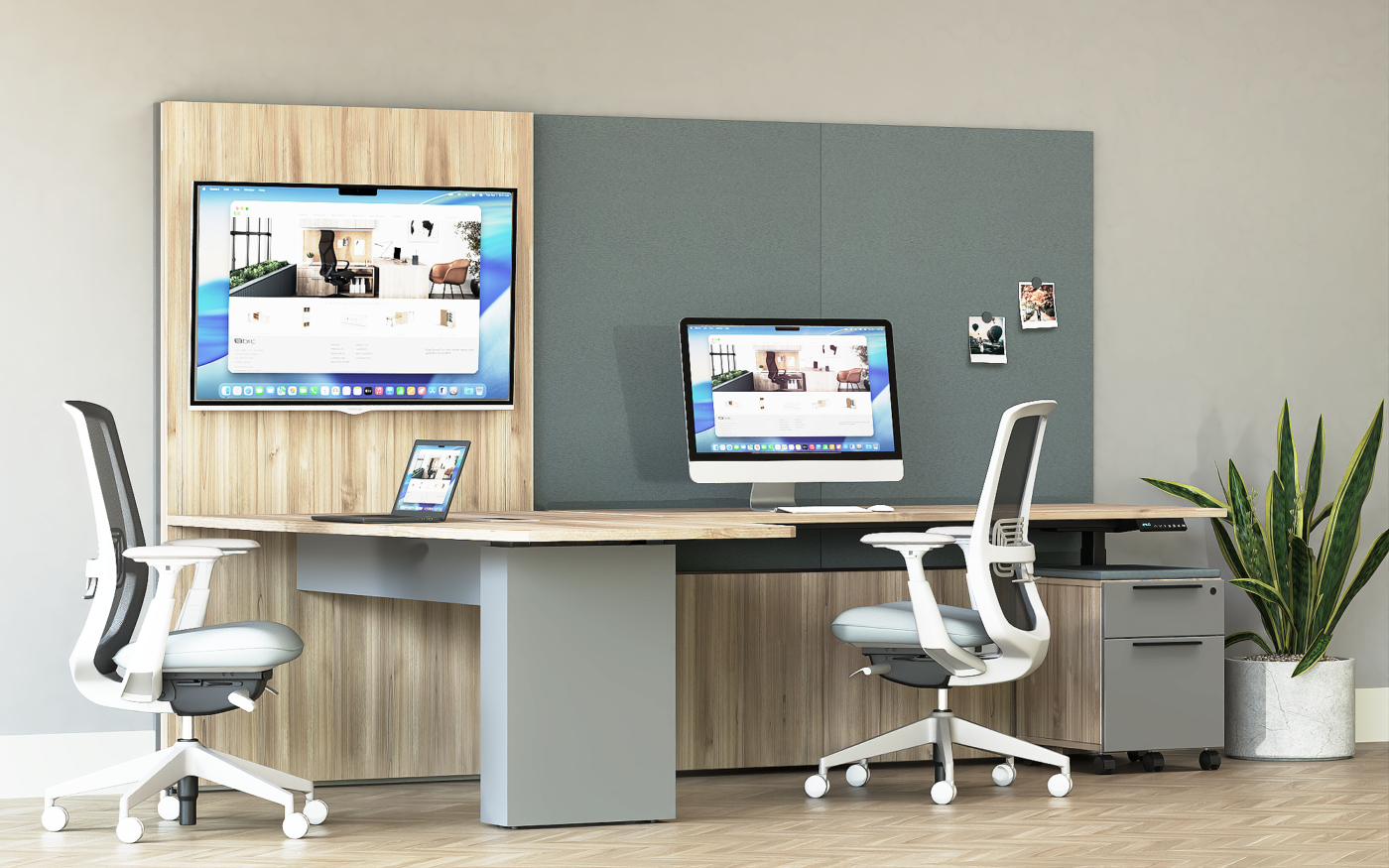
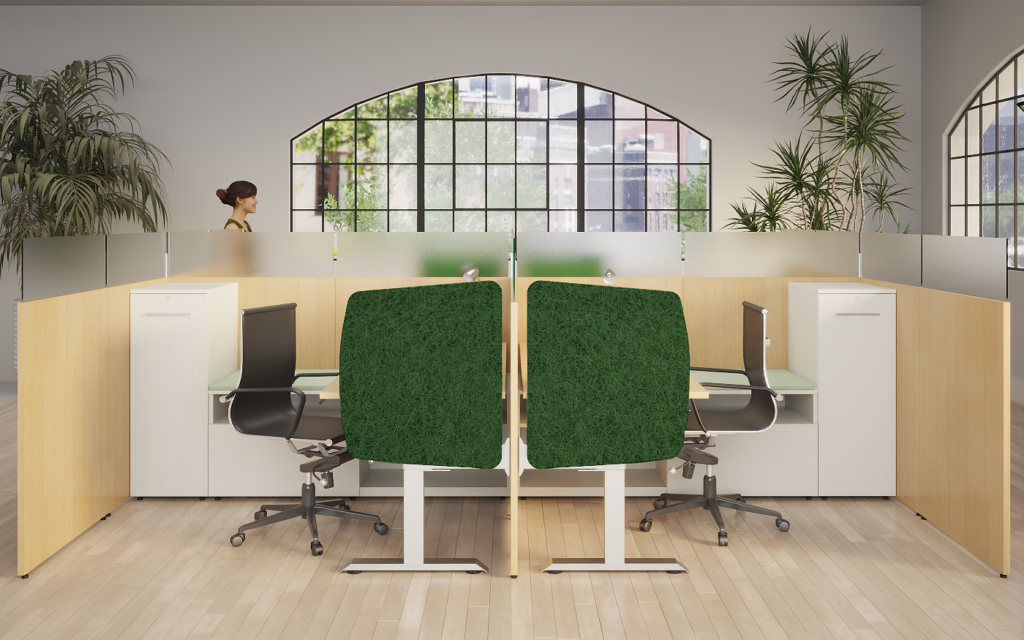
Individual workstations, private offices, acoustic screens, and strategically placed panels can all help establish areas where employees can step away from visual and acoustic distractions.
BRC solutions such as height adjustable tables and Softscape PET acoustic privacy solutions can help create workpoints that provide greater separation while remaining connected to the larger workplace.
Intentional Collaboration
Activity-based working does not mean making the entire office collaborative. Instead, it means giving collaboration its own place.
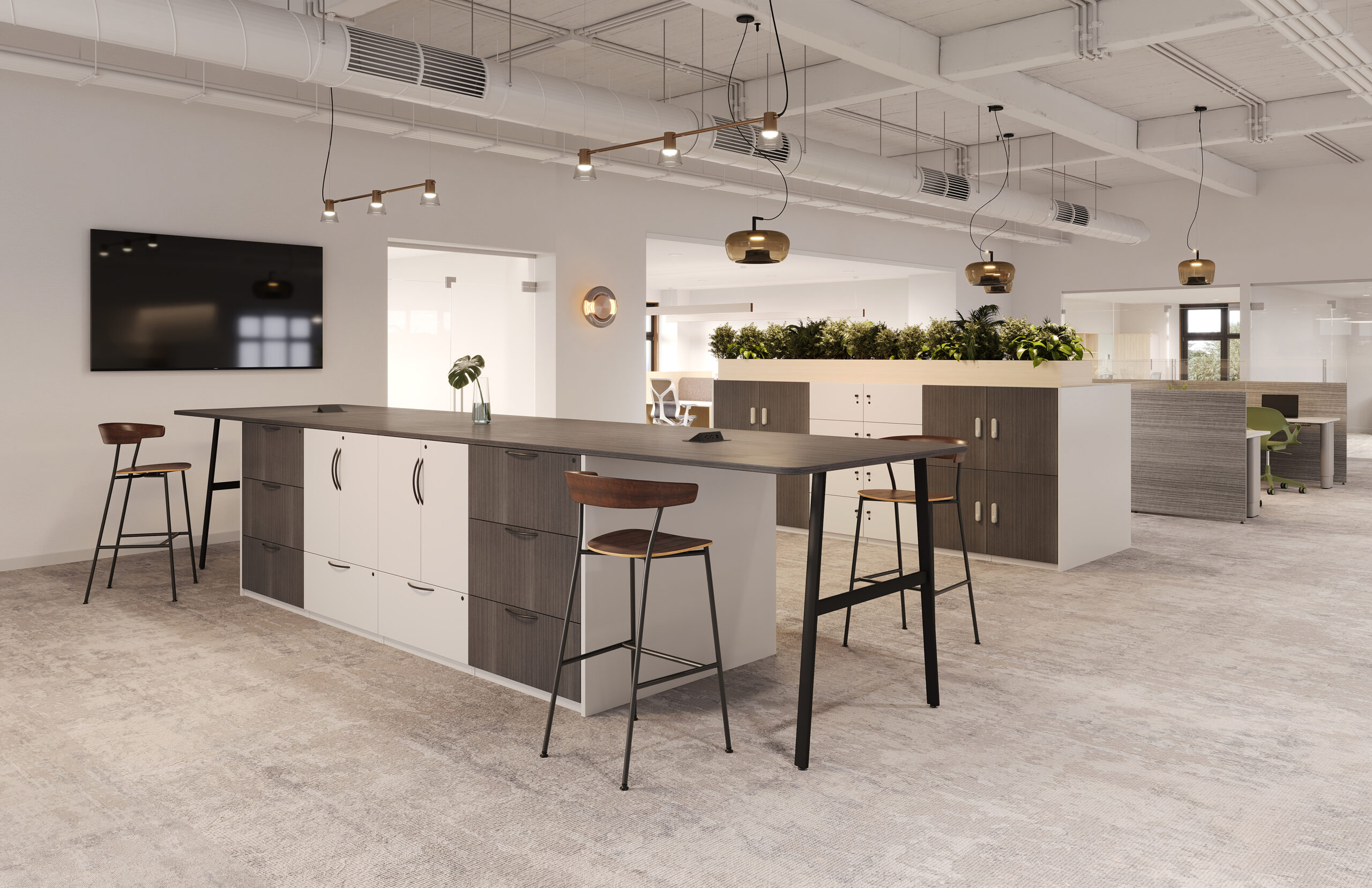
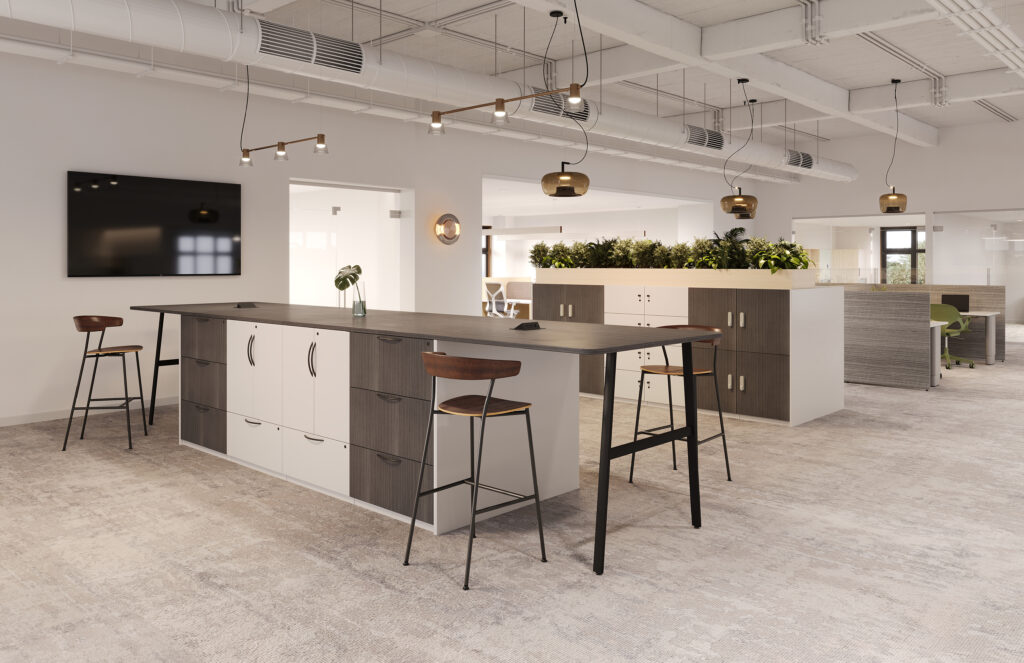
Meeting tables, media tables, collaboration islands, and informal gathering spaces can create destinations where Teams can brainstorm, connect, share ideas, and work together without disrupting employees completing focused tasks nearby.
Location matters too. Separating active collaboration areas from quieter individual work zones can help each space perform the function it was designed for.
The goal is not simply more collaborative space. It is the right collaborative space in the right location.
Support Shared and Touchdown Work
In workplaces where employees are not in the office every day, assigned desks may not always be the most effective use of space.
Shared and hoteling workstations can provide flexible workpoints for employees who need a place to settle in for a few hours or a full day. For these spaces to work well, however, they need to feel just as functional as an assigned workstation.
Height adjustable tables, accessible power, cable management, privacy options, and nearby personal storage can make shared spaces easier and more comfortable to use.
This is where thoughtful furniture planning becomes especially important. A flexible workplace should give employees choice without making them sacrifice the tools they need to work effectively.
Don’t Forget Storage
Moving between work settings creates another important consideration: where does everything go?
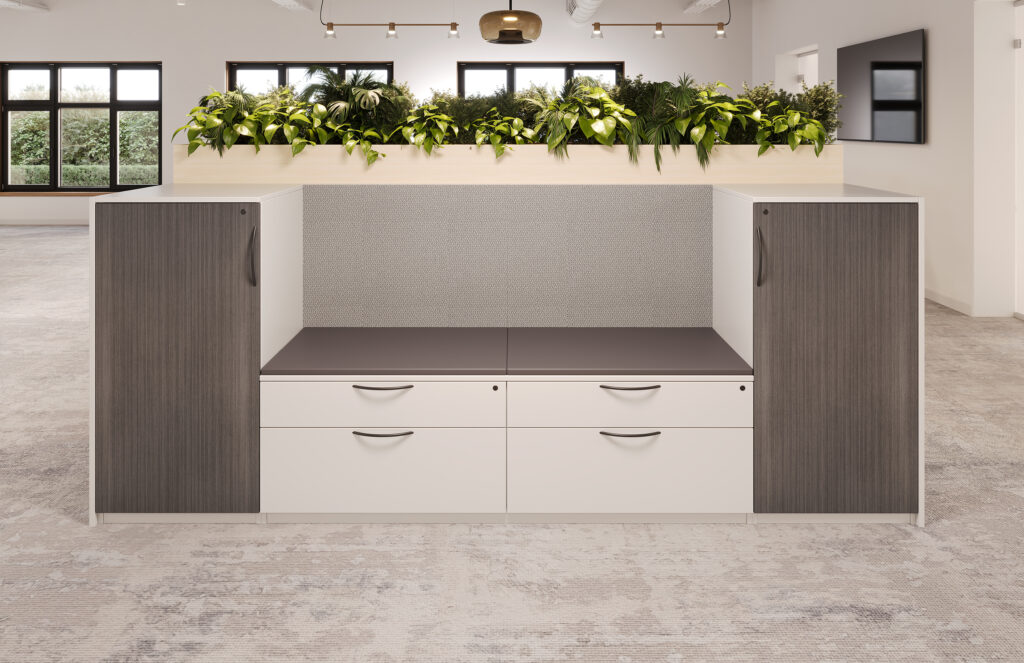
Personal storage becomes particularly valuable when employees do not have permanently assigned desks. Lockers can provide a secure home for personal belongings, while credenzas, pedestals, wardrobes, and integrated storage can help keep individual and shared spaces organized.
Storage can also become part of the space-planning strategy itself. Strategically positioned storage can help define zones, create subtle separation between activities, and reduce visual clutter without requiring permanent walls.
For activity-based workplaces, storage is part of the infrastructure that helps a flexible environment function.
Designing for Choice
The most successful activity-based workplaces are not defined by one particular desk, layout, or product. They are designed around choice.
Employees need different environments throughout the day, and those needs can vary by Team, role, organization, and task. A workplace that provides a thoughtful mix of focused workpoints, collaborative settings, shared desks, meeting spaces, privacy solutions, and storage gives people greater freedom to choose the environment that supports the work in front of them.
For Dealers and Designers, this creates an opportunity to think beyond individual products and consider how an entire workplace ecosystem works together.
With customizable desks, storage, lockers, acoustic privacy solutions, meeting and collaborative furniture, BRC can help create activity-based workplaces designed around the way people actually work.
References
*Public Services and Procurement Canada. Activity-Based Workplace. Government of Canada, updated May 8, 2025.https://www.canada.ca/en/public-services-procurement/services/infrastructure-buildings/gcworkplace/activity-based-workplace.html?utm_source=chatgpt.com
** Gensler Research Institute. Global Workplace Survey 2026. Gensler, March 2026.https://www.gensler.com/gri/global-workplace-survey-2026